When we think of fashion history, we often think of the famous designers—Coco Chanel, Christian Dior, Alexander McQueen. But behind every major fashion revolution, there’s always been a powerful driving force: women. From the rise of haute couture to the sustainability movements we see today, women have been at the forefront of shaping fashion, whether as designers, trendsetters, or consumers.
Let’s start with the basics. In the early 20th century, women began to break free from the restrictive clothing of the Victorian era. Think corsets, petticoats, and layers upon layers of fabric that left little room for comfort or self-expression. Enter Coco Chanel, who, in the 1920s, revolutionised women’s fashion by introducing more practical, comfortable designs like the iconic jersey suits and the little black dress. Chanel’s designs were about freedom. Her relaxed silhouettes symbolised women’s changing roles in society, as they began entering the workforce and demanding more autonomy in their lives—and their wardrobes.
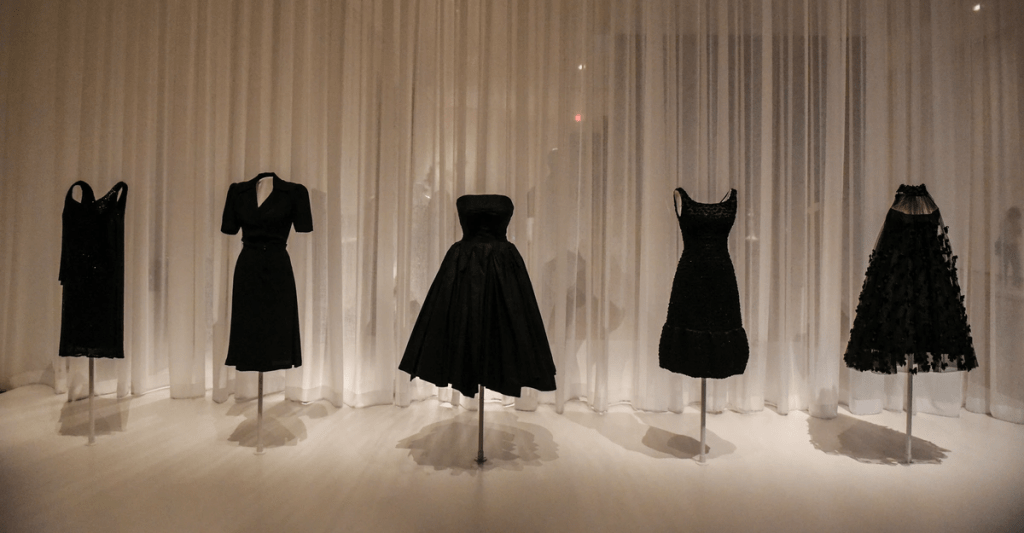
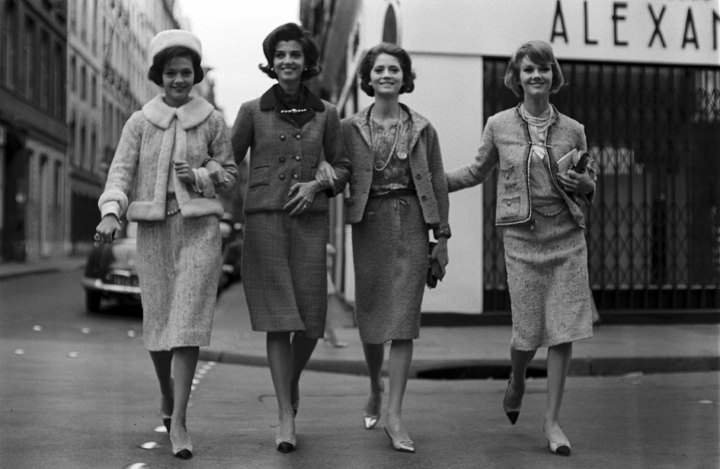
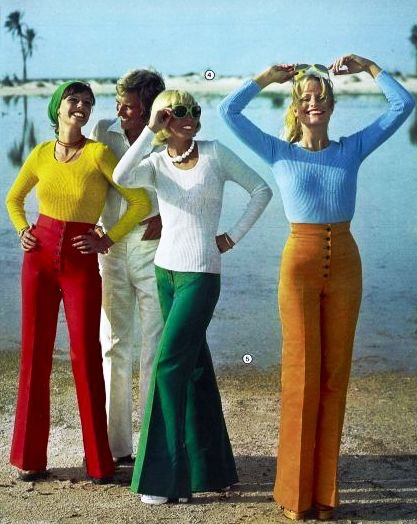
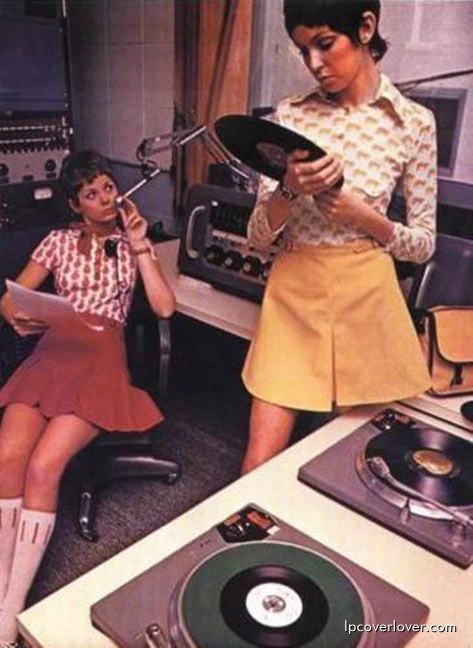
Fast forward to the post-war era of the 1950s, when Christian Dior’s New Look brought back the hyper-feminine, cinched-waist silhouette. But here’s where things get interesting: women, yet again, rebelled. In the 1960s and 70s, with second-wave feminism on the rise, the fashion world saw another major shift. This time, it was towards mini-skirts, pantsuits, and unisex styles that reflected the growing movement for gender equality. Designers like Mary Quant and Diane von Fürstenberg offered styles that encouraged women to embrace their individuality. Suddenly, fashion became a form of political expression.
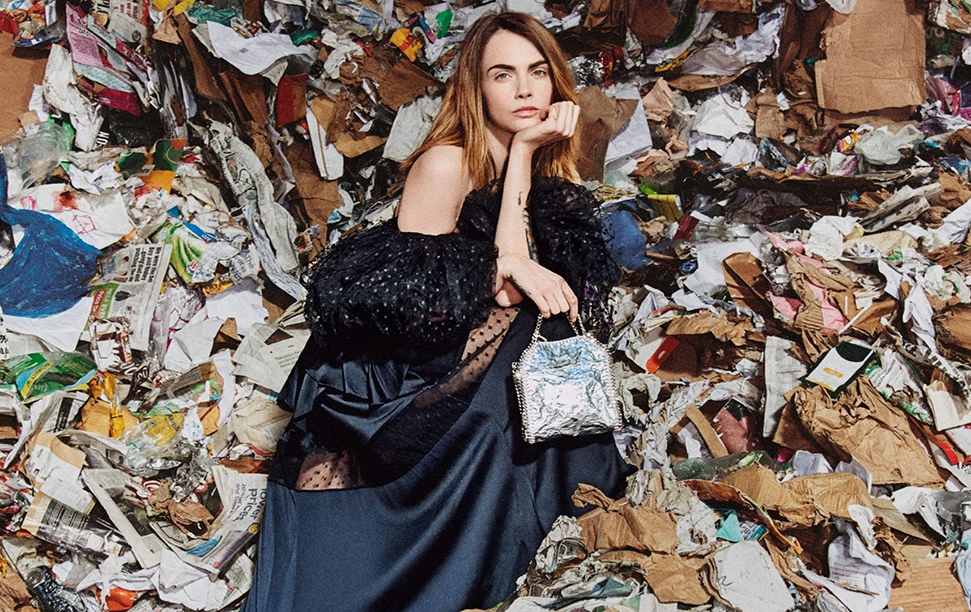
This brings us to the modern era. Women today are not just shaping fashion trends—they’re also leading the sustainability movement. Designers like Stella McCartney, known for her commitment to eco-friendly materials and ethical production, have put sustainability at the heart of their brands. Meanwhile, women as consumers are demanding more transparency from fashion brands, pushing the industry to rethink its reliance on fast fashion and unsustainable practices.
What does all this mean? Throughout history, women have not only shaped fashion but have also used it as a tool for change, reflecting their evolving roles in society. And as we look to the future, it’s hopeful that women will continue to drive the industry towards a more inclusive, ethical, and sustainable model.
 Sydney's Blog
Leave a comment